The Craft and Controversy of Modern Super Clone Watches Now!
Wiki Article
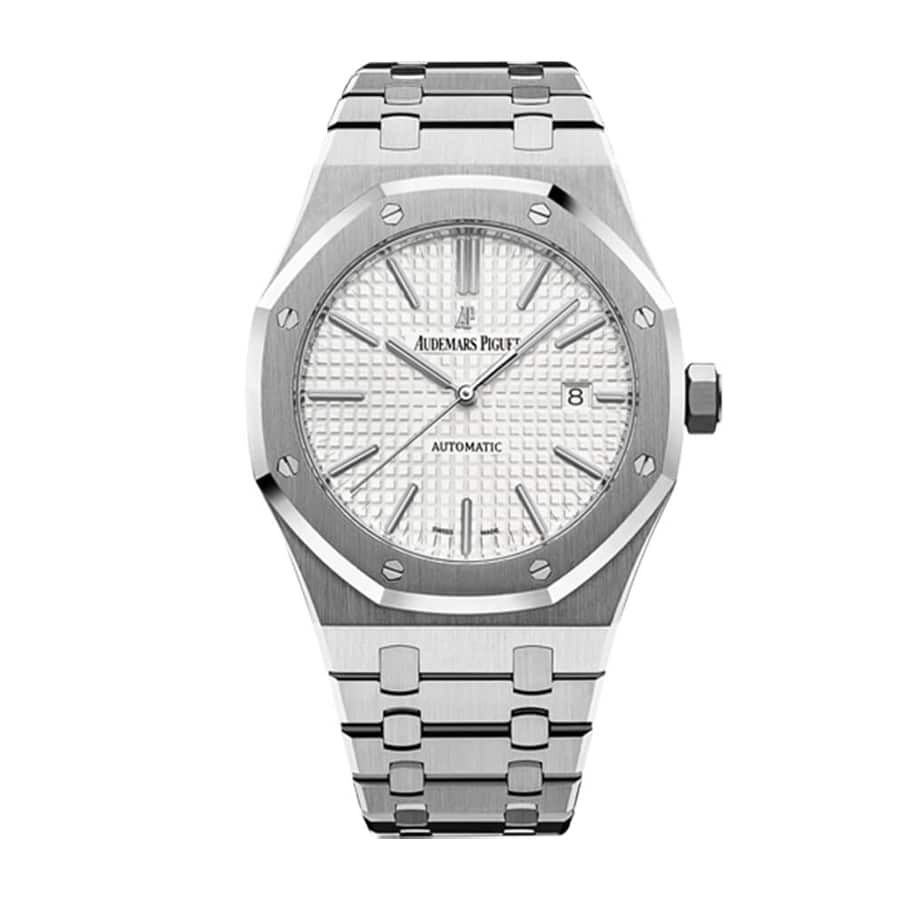
Understanding the Rise of Super Clone Watches
Super clone watches have evolved into a prominent cultural and commercial phenomenon, drawing the attention of collectors, enthusiasts and skeptics alike. These timepieces are not the typical replicas once known for flimsy materials and unreliable performance. Instead, super clone watches represent a new generation of high end imitations engineered to mirror luxury watches with extraordinary precision. Their rise is driven by a combination of advanced manufacturing technologies, global demand for luxury aesthetics and the desire among buyers to access the look and feel of prestigious brands without the staggering price tags.
In the last decade, production techniques used by super clone manufacturers have improved dramatically. Precision machining, improved alloys and enhanced movement replication have allowed these watches to come remarkably close to the originals. While they do not hold the craftsmanship pedigree or long-term value of genuine luxury pieces, they nevertheless satisfy a growing audience interested in sophisticated design and mechanical beauty.
How Super Clone Watches Achieve High Levels of Accuracy
The defining characteristic of super clone watches is their meticulous attention to detail. Skilled manufacturers study the dimensions, mechanics and finishing techniques of authentic models, then recreate them using professional-grade equipment. This includes laser-cut components, sapphire crystal alternatives and movements that closely mimic the performance of Swiss originals.
Case finishing offers a striking example. High-tier super clones often feature brushing and polishing nearly identical to legitimate luxury watches. Bezel alignment, dial texture and lume application have also become increasingly sophisticated. In some cases, even seasoned collectors require magnification and side-by-side comparisons to identify differences.
Movement replication remains the most challenging aspect, yet progress continues to accelerate. While these movements are not true Swiss calibers, they often replicate functions such as chronographs, date mechanisms and rotor behavior with surprising accuracy. This fusion of mechanical engineering and reverse-engineering expertise illustrates how far the industry has come.
The Market Demand Behind Super Clone Popularity
The demand for super clone watches stems from numerous social and economic factors. Luxury brands have become symbols of prestige and success, but their escalating prices place them out of reach for many admirers. Super clones offer an alternative route to experiencing similar aesthetics and wearing styles without financial strain.
Social media also fuels this trend. Influencers, lifestyle bloggers and online reviewers contribute to a culture that values the appearance of luxury. High-resolution photography and short-form video content highlight watches as essential accessories in fashion and personal branding. As a result, people increasingly seek the visual identity associated with luxury watches, even if the watches themselves are not authentic.
Moreover, online marketplaces and international shipping have made super clones accessible worldwide. Buyers can compare models, read reviews and select from numerous quality tiers. This transparency encourages a consumer environment where knowledge spreads rapidly and expectations rise, leading manufacturers to push quality boundaries even further.
Ethical Considerations and Controversies
The world of super clone watches or Audemars Piguet Replicais not without debate. Ethical concerns often emerge when discussing replicas and imitation goods. Enthusiasts argue that super clone watches allow individuals to enjoy beautiful designs without supporting copyright markets associated with poor labor standards and brand theft. Critics, however, counter that super clones inherently infringe on intellectual property and may harm legitimate craftsmanship.
This controversy fuels ongoing conversation within watch communities. Some collectors appreciate super clones as educational tools to understand design and engineering before investing in genuine models. Others warn that purchasing any form of imitation perpetuates a cycle that undermines luxury brands and encourages copyright activity. Ultimately, each buyer must reflect on their personal values and intentions when approaching the super clone market.
What to Consider Before Purchasing a Super Clone
For those contemplating a purchase, research remains essential. Understanding different manufacturers, quality tiers and after-sales support can greatly influence satisfaction. Although many super clones look impressive, not all offer durability, water resistance or reliable movement performance. Evaluating reviews, examining detailed photographs and learning about movement types can help ensure a better experience.
Buyers should also consider the long-term expectations of ownership. Super clone watches generally do not appreciate in value, nor are they intended for heirloom-level longevity. Instead, they provide a temporary or stylistic experience. Appreciating them for what they are rather than equating them with genuine luxury pieces helps avoid unrealistic comparisons.
The Future of Super Clone Watches
As manufacturing technologies continue to advance, the super clone sector is poised for further evolution. Techniques such as 3D laser scanning, improved metallurgy and ever-closer movement replication indicate that these watches will grow increasingly sophisticated. Whether admired for craftsmanship or questioned for ethics, super clones undeniably occupy a significant niche in today’s watch culture.
Their ongoing popularity reflects broader trends in consumer behavior, design appreciation and digital influence. Super clone watches highlight the dynamic interaction between luxury aspiration and accessible alternatives, offering a window into how modern buyers navigate identity, value and style.